

With the right precautions, anyone who truly needs to access dark websites or we can say dark web browsers, can do so with more control, less risk, and a better understanding of the area. DeepSearch is an open-source search engine designed for exploring the dark web within the Tor network. Onion Search engine offers a smooth experience to its users and allows access to thousands of hidden services. This is especially beneficial for professionals in cybersecurity or research, who require quick access to specific types of information. Operating through Tor, DuckDuckGo provides a non-censored search engine experience without logging personal data.
Dark Web Search Engine
Illegal or malicious content may appear in search results Provides no content filtering or protection from harmful sites Suited for users confident in managing unfiltered data without built-in safeguards.
WormWeb is a user-friendly search engine built specifically for the dark web, providing quick and easy access to .onion websites. When selecting a dark web search engine, users should prioritize privacy and security features. H25.io is a premium directory in the Tor network, offering access to a diverse and meticulously curated list of onion sites. When using these search engines and exploring the dark web, it’s crucial to remain aware of the risks involved, including exposure to illegal content, potential for cyber threats, and legal consequences. The dark web is a part of the internet that isn’t indexed by traditional search engines and can only be accessed through specific software, like Tor (The Onion Router), which provides anonymity to its users. These platforms aren’t part of the Tor network, so dark web search engines can’t index them.
The dark web search engine operates in a realm invisible to standard browsers like Google or Bing. Unlike the clear web, which is indexed by traditional crawlers, the dark web—accessible mainly via The Onion Router (Tor)—requires specialized tools to locate its hidden services. These search engines are designed to navigate .onion sites, offering a gateway to anonymous forums, whistleblowing platforms, and encrypted marketplaces. However, they also present unique challenges, including unreliable indexes, malicious links, and ethical gray areas.
How Dark Web Search Engines Differ
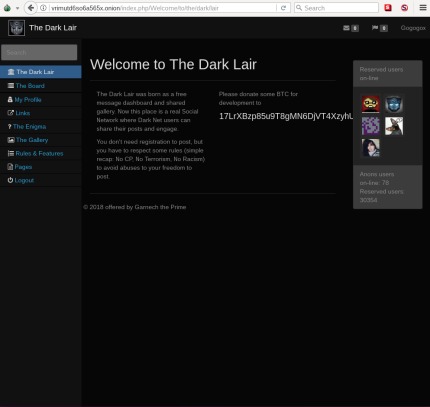
Traditional search engines rely on crawling public sites, but dark web search engines must adapt to high anonymity and constant site churn. Key differences include:
- Limited indexing: Many .onion sites block crawlers or exist only temporarily.
- No advertising revenue: These engines often rely on donations or volunteer hosting.
- Security risks: Results may lead to phishing sites or malware-laden pages.
Common Dark Web Search Engines
Several platforms attempt to organize the hidden web, though none are perfect. Notable examples include:
- Ahmia: A transparent, open-source engine that filters illegal content.
- Torch: One of the oldest and largest, with a bare-bones interface.
- OnionSearch: A meta-search tool that queries multiple .onion indexes at once.
- Tor66 blends a traditional search engine with a categorized directory of onion sites.
- Additionally, visiting onion sites, downloading dark web torrents, or clicking unknown onion links carries serious security risks.
- Ahmia is often recommended as the best safe dark web search engine because it filters out illegal content and has Tor Project support.
- It displays uncensored, unfiltered search results, giving users unrestricted access to the dark web’s indexed content.
FAQs About Dark Web Search Engines
Is it illegal to use a dark web search engine?
No, using one is legal in most jurisdictions, though accessing certain content may violate laws.
Are dark web search engines safe?
Not entirely. Malicious links are common, and results can expose your system to exploits. Always use a VPN and updated security tools.
Can you find anything you want?
No. The dark web is fragmented, and many sites require invitations or specific URLs. Search engines cover only a fraction of hidden services.
Risks and Best Practices
Using a dark web search engine demands caution. Consider these tips:
- Never click unknown links without verifying their legitimacy via forums or reviews.
- Disable JavaScript in your Tor browser to reduce attack vectors.
- Use temporary, disposable identities for any interactions.
In summary, the dark web search engine is a double-edged tool. It opens access to uncensored information and privacy-focused communities, but it also harbors threats. As the hidden web evolves, these engines will remain critical—yet inherently risky—gateways to the internet’s deepest corners.