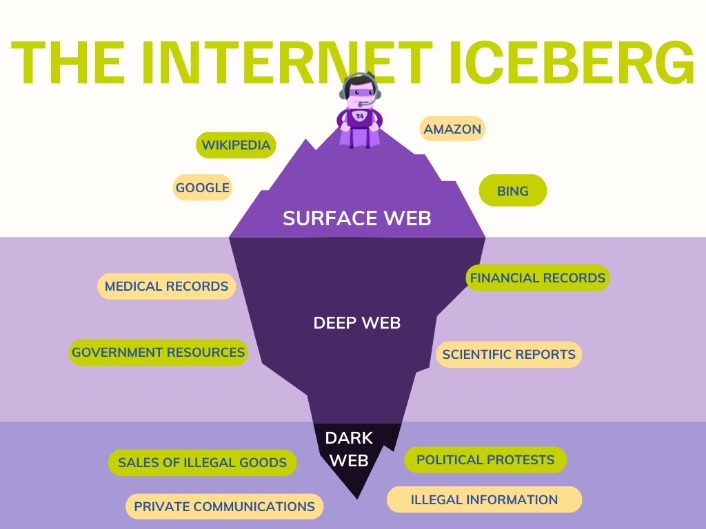

While onion services are often discussed in terms of websites, they can be used for any TCP service, and are commonly used for increased security or easier routing to non-web services, such as secure shell remote login, chat services such as IRC and XMPP, or file sharing. Yet, millions of users access it daily, and its underground economy, spanning drugs, stolen data, and cybercrime services, generates billions of dollars each year. You can tell you’re on the dark web if you’re accessing websites with .onion addresses on the Tor Browser or a similar anonymity network. Any onion websites you visit from these search engines is another story.
Dark Web List
The dark web, a hidden layer of the internet accessible only through specialized software like Tor, has long been a subject of intrigue and caution. It hosts a range of services, from privacy-focused forums and whistleblower platforms to illegal marketplaces and hacking forums. Below, we explore a curated dark web list of notable sites and categories that define this obscure digital realm, while emphasizing the risks and legitimate uses that coexist within it.
It combines a modern interface with vendor fees and tiered access in an attempt to weed out fly-by-night sellers. Bohemia is a new underground storefront that is trying to offer a more “regulated” shopping experience on the dark web. They have a surprisingly well-functioning search feature, which is something to be commended in the darknet. That’s why each visitor to the marker has to go through a CAPTCHA wall (good for preventing bot traffic, annoying for human traffic). Because of the nature of the goods offered on the platform, illegal transactions can put you in trouble.
Key Categories on the Dark Web List
This dark web list is organized by functionality and user intent. Not all sites are malicious; many serve critical roles in privacy and free speech.
- Privacy and Anonymity Tools – Services like ProtonMail encrypted email and SecureDrop for journalists.
- Marketplaces – Historical examples like Silk Road; current ones often sell illicit goods, but also legal items like art.
- Political Dissent & Whistleblowing – Sites like WikiLeaks mirrors and anti-censorship forums.
- Cryptocurrency Services – Bitcoin mixing and untraceable wallets for privacy.
- Hacking and Cybercrime Forums – Trading stolen data, exploits, or malware.
- Hidden Chatrooms – IRC and messaging platforms for anonymous communication.
Notable Examples in the Dark Web List
While many .onion addresses change frequently, these entries represent historically significant or enduring parts of the dark web list:
- Buyers frequenting multiple markets are advised taking care compartmentalizing accounts and operations security across sites to avoid associating activities.
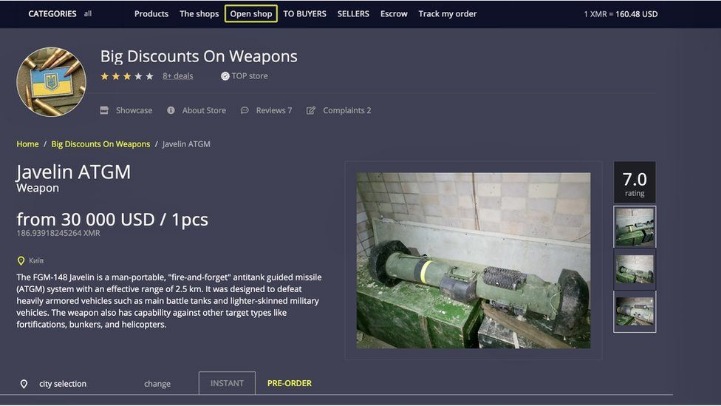
- The dark web also helps individuals communicate about or sell illegal items such as weapons, drugs, malware, etc.
- With these in mind, let’s take a closer look at the dark web sites rundown.
- A set of onion service directory nodes (i.e., the Tor relays responsible for providing information about onion services) were found to be modifying traffic of requests.
- Here's a breakdown of the most commonly used dark web search engines available today.
- The Hidden Wiki – A directory linking to many other .onion sites; often the first stop for newcomers.
- Facebook’s Tor version – An official mirror for users in censored regions.
- Dread – A Reddit-like forum for dark web discussions, including market reviews.
- Sci-Hub – A site providing free access to scientific papers, often mirrored on Tor.
- Bible.cc – An example of legal religious content hosted on the dark web.
FAQs About the Dark Web List
Q: Is it illegal to visit a dark web list?
A: No, browsing is not inherently illegal, but accessing sites for illegal purposes (e.g., drug purchases) is.
Q: Can I find legitimate services on this list?
A: Yes, many organizations have official Tor mirrors, like BBC News and ProPublica.
Q: How do I access a dark web list safely?
A: Use the Tor Browser, avoid downloads, and never share personal data. Use a VPN for an additional layer.
Risks Associated with the Dark Web List

While exploring a dark web list, users face significant threats:
- Malware – Many sites host drive-by downloads or phishing scripts.
- Scams – Fake marketplaces and phishing pages mimicking real services.
- Law Enforcement Monitoring – Agencies like the FBI operate nodes and monitoring tools.
- Exposure to Illegal Content – Accidental encounters with child abuse material or weapon sales.
Always verify links from trusted sources, as the dark web list is littered with duplicate or malicious entries.
How to Maintain a Personal Dark Web List
For researchers or privacy advocates, curating a safe dark web list involves:
- Bookmarking verified .onion addresses from forums like r/darknet on Reddit.
- Using URL shorteners cautiously—never trust unverified links.
- Regularly updating your list via Tor status pages that track site uptime.
- Keeping notes on each site’s purpose and trust level.
Remember: The dark web is not a single entity but a network of shifting, often ephemeral sites. A dark web list is only as reliable as its source.