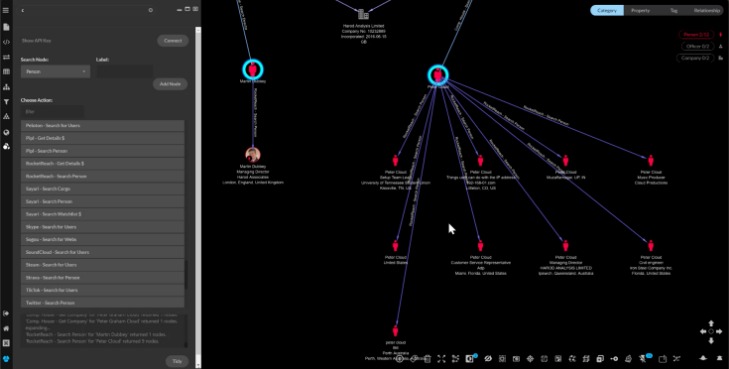

Dark Web App
The dark web app is a specialized software tool designed to access the encrypted, anonymous corners of the internet that standard browsers cannot reach. Unlike the surface web indexed by Google or Bing, these apps route traffic through multiple layers of encryption—most famously via the Tor network—shielding user identity and location. For many, the dark web app represents a bastion of privacy for journalists, activists, and whistleblowers, yet its association with illicit marketplaces and hidden forums has made it a topic of intense debate. Understanding how these applications function is key to grasping the dual-edged nature of digital anonymity.
Chrome’s Incognito mode, Safari and Firefox’s private browsing, and private mode of Opera (the… Mercari has grown into one of the most popular online marketplaces for buying and selling secondhand… As online surveillance intensifies, the demand for tools that guarantee genuinely private and anonym… Always ensure you get your Tor browser or any other software directly from verified sources only, not from third-party sites. Not just Tor alone, there are official sites for downloading every similar web browser APK. To provide anonymity, Tor is generally quite effective, but not completely foolproof.
How Dark Web Apps Differ from Standard Browsers
- Sci-Hub provides free access to scientific papers, with millions of documents.
- It also boasts that no personal information is required to use the service, and payment can be made with cryptocurrency.
- The developer, Versatile Apps, indicated that the app’s privacy practices may include handling of data as described below.
- In this guide, we’ll explore the best browsers and essential tools available in 2025, empowering you to access the dark web responsibly, securely, and with confidence.
- It acts like a shield for privacy, not a tool for anonymity.
- Dark Mode is the default for terminal emulators on 99% of Linux distributions
A dark web app operates on fundamentally different principles than a regular browser. While Chrome or Safari connect directly to a website’s server, a dark web app like the Tor Browser bounces your connection through a series of volunteer-operated relays, encrypting data at each step. This process makes it nearly impossible to trace the user’s IP address. Importantly, these apps are not limited to the .onion domains—they can also be used to access clearnet sites anonymously, but their primary purpose is to navigate hidden services that require specific protocols. Without such an app, these hidden sites remain invisible to conventional search engines.
We're a nonprofit organization and rely on supporters like you to help us keep Tor robust and secure for millions of people worldwide. Tor Browser already comes with HTTPS-Only mode, NoScript, and other patches to protect your privacy and security.
Common Uses of a Dark Web App
The application of a dark web app spans a wide spectrum. On one hand, it is a critical resource for political dissidents in repressive regimes who need to communicate without surveillance. On the other, it hosts crypto-driven black markets where illegal goods—from stolen data to narcotics—are traded. However, the majority of dark web activity is mundane: encrypted email services, privacy-focused social networks, and file-sharing platforms. For example, journalists often use a dark web app to securely contact sources via SecureDrop, a tool that anonymizes submissions. The key is that the app itself is neutral; its ethical weight depends entirely on the user’s intent.
Security Risks and Precautions
Using a dark web app without caution is dangerous. Malware is rampant on hidden services, with many sites injecting scripts that exploit outdated software. Additionally, law enforcement agencies actively monitor these networks, and honeypot sites—masquerading as legitimate services—are common. Users must disable JavaScript, avoid downloading unknown files, and never use a dark web app without a VPN for an extra layer of encryption. Even the browser’s default security sliders should be set to the highest level to prevent fingerprinting. In short, the anonymity a dark web app provides is only as strong as the user’s discipline.
The Future of Dark Web Apps
As governments push for greater encryption backdoors, the role of the dark web app is evolving. Newer apps like I2P and Freenet are decentralizing access further, making it harder for any entity to censor or monitor traffic. Meanwhile, mainstream browsers are experimenting with built-in anonymity features, potentially blurring the line between surface and dark web. The dark web app may become a standard tool for daily privacy, not just for illicit actors. However, the tension between security and surveillance will persist, keeping these apps at the center of a global debate on digital freedom.