
Dark Web Login
People's awareness of tracking, surveillance, and censorship may have increased, but so has the prevalence of these hindrances to internet freedom.Today, the network has thousands of relays run by volunteers and millions of users worldwide. Naval Research Lab (NRL) asked themselves if there was a way to create internet connections that don't reveal who is talking to whom, even to someone monitoring the network.Their answer was to create and deploy the first research designs and prototypes of onion routing. Download Tor Browser to experience real private browsing without tracking, surveillance, or censorship. In 2007, the organization began developing bridges to the Tor network to address censorship, such as the need to get around government firewalls, in order for its users to access the open web.
With Tor Browser having made Tor more accessible to everyday internet users and activists, Tor was an instrumental tool during the Arab Spring beginning in late 2010. Tor began gaining popularity among activists and tech-savvy users interested in privacy, but it was still difficult for less-technically savvy people to use, so starting in 2005, development of tools beyond just the Tor proxy began.Development of Tor Browser began in 2008. From its inception in the 1990s, onion routing was conceived to rely on a decentralized network. The goal of onion routing was to have a way to use the internet with as much privacy as possible, and the idea was to route traffic through multiple servers and encrypt it each step of the way.This is still a simple explanation for how Tor works today.
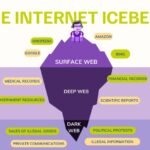
The dark web login process is a gateway to an encrypted layer of the internet, accessible only through specialized software like Tor. Unlike conventional sites, a dark web login typically requires a .onion address and obfuscates user identity by routing traffic through multiple nodes. This initial authentication step is critical, as it separates anonymous browsing from risky exposure to illicit marketplaces or private forums.
Essential Tools for Dark Web Login
To initiate a dark web login, users must first download the Tor Browser, which provides the necessary anonymity. A dark web login often involves a unique username and password, though many sites enforce two-factor authentication via tokens or PGP keys. Without these, a dark web login attempt fails, preventing access to hidden services where even a single traceable connection could compromise privacy.
Security Protocols During Dark Web Login
During any dark web login, it is vital to disable JavaScript and avoid using personal email addresses. A secure dark web login relies on temporary credentials generated within the session, reducing the risk of data leaks. The dark web login process itself is often encrypted end-to-end, but users must still verify the site’s authenticity through independently sourced .onion links to avoid phishing traps.
Risks and Legal Implications
While a dark web login can grant access to whistleblowing platforms, it also opens doors to illegal content. Each dark web login leaves traces on the Tor network, and law enforcement agencies monitor key entry points. A careless dark web login—such as using a public Wi-Fi node—exposes the user to deanonymization, leading to potential legal consequences or blackmail.
Best Practices for Anonymous Access
- The goal of onion routing was to have a way to use the internet with as much privacy as possible, and the idea was to route traffic through multiple servers and encrypt it each step of the way.This is still a simple explanation for how Tor works today.
- The Tor Project is deeply committed to transparency and the safety of its users.
- Tor Browser is available in multiple languages in a single multi-locale download, which can be changed using the menu in General settings.
- Your traffic is relayed and encrypted three times as it passes over the Tor network.
To maintain privacy, a dark web login should always be performed from a live operating system or a dedicated virtual machine. The dark web login credentials must never be reused across platforms, and session data should be wiped after each use. A responsible dark web login also involves checking for SSL certificates and avoiding sites that request real-world identifiers, ensuring the barrier between the user’s identity and the hidden network remains intact.