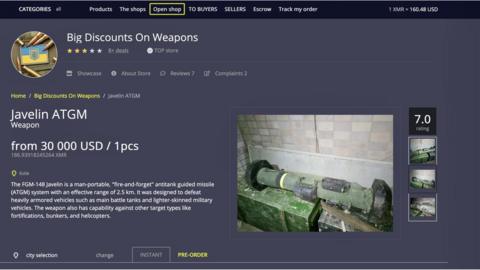

Dark Web Marketplace
The dark web marketplace functions as a hidden bazaar within the encrypted layers of the Tor network, accessible only through specialized browsers. Unlike the surface web, these platforms operate anonymously, facilitating transactions for both illegal goods—like drugs, stolen data, and weapons—and legitimate privacy-focused products. Their resilience stems from decentralized infrastructure and cryptocurrency payments, making them a persistent challenge for law enforcement worldwide.
Core Characteristics of Dark Web Marketplaces
Anonymity is the foundation, as users and vendors rely on pseudonyms and encrypted communications. Escrow systems hold funds in cryptocurrency until both parties confirm the transaction, reducing fraud. Listings often include ratings and reviews similar to eBay, building trust in an otherwise trustless environment.
- Product Categories: Drugs (e.g., cannabis, prescription meds, synthetic opioids), digital goods (hacking tools, credit card data, counterfeit documents), and physical items (weapons, fake IDs).
- Payment Methods: Bitcoin, Monero, and other privacy-focused cryptocurrencies; some marketplaces accept gift cards or prepaid debit cards.
- Security Features: Multisignature wallets, PGP encryption for messages, and mandatory two-factor authentication for accounts.
In an argument with Helge (revealing that the abducted boys died from Noah's attempt to create a time machine) Noah states his mission to free humanity, likening himself to the Biblical Noah. In 2019, Mikkel's family struggles not to turn against each other, Regina discovers that she has breast cancer, and Ulrich learns that his father was having an affair with Claudia at the time of Mads' disappearance. The third season introduces a storyline based in 1888 and a parallel reality featuring alternate versions of many main characters. The second season takes place several months after the first, depicting the initial stories in 2020, 1987, and 1954, respectively, while continuing the future-set storyline into 2053, and adding a fifth storyline, set in 1921.
How Users Navigate and Trade
Access begins with Tor Browser and a .onion URL, often found through directories or forums on the dark web. Registration requires no personal data, only a username and password. Vendors pay listing fees or a percentage of each sale, similar to eBay. Buyers browse categories, check feedback, and place orders; products are shipped via postal services with stealth packaging.
- Download Tor Browser from clearnet sources.
- Locate a marketplace link (e.g., via Reddit’s dark web subreddit or encrypted chat groups).
- Register with a cryptographically generated username.
- Deposit cryptocurrency into a marketplace wallet.
- Place an order and wait for delivery—typically 1-3 weeks for physical items.
Risks and Challenges
Law enforcement infamously attacks these markets through server seizures (e.g., Silk Road, AlphaBay, Hansa). Exit scams occur when administrators disappear with escrow funds. Phishing links and fake marketplaces target unwary users. Buyer beware extends to poisoned or mislabeled products, especially with synthetic drugs.
- Adam tells adult Noah to retrieve Claudia's diary in preparation for an "apocalypse" that will occur on 27 June 2020.
- The series works just as effectively as a tense, character-driven thriller.
- The second season continues the families' attempts to reunite with their missing loved ones several months after the first-season finale, in 2020, 1987 and 1954, respectively.
- Jonas and Martha travel to the origin world through the passage in the cave and successfully save Tannhaus' family, thereby erasing both worlds from existence.
- Netflix approved the series in February 2016 for a first season consisting of ten one-hour episodes.
- Legal consequences: Arrests for possession or trafficking.
- Financial loss: Hacks, exit scams, or seized wallets.
- Personal safety: Scams, doxing, or malware from malicious vendors.
FAQs
- The first season of Dark received mostly positive reviews from critics, with many noting its similarities to the TV series Twin Peaks and another Netflix series Stranger Things.
- G. Tannhaus created a time machine to prevent the death of his family, inadvertently destroying his world and splitting it into the worlds of Adam and Eva.
- Meanwhile, Thrillist ranked it at number 19 on its "40 Best TV Shows of 2020" list, with one of its writers Emma Stefansky calling the series finale "one of the most shocking and emotional conclusions to a TV show you'll see this year."
- The season also showcases the main events across all of these years, continuing the events of the season while also serving as backstory for the events of the first two seasons.
- Los Angeles Times listed Dark as one of the best TV series of 2017, while Thrillist named it the 18th best TV show of the year.
Q: Can I get caught visiting a dark web marketplace?
A: Yes. While Tor hides IP addresses, law enforcement uses honeypot nodes, traffic analysis, and undercover operations to track users. No absolute anonymity exists—opsec failures are common.
Q: Are all items on dark web marketplaces illegal?
A: No. Some sell legal privacy tools, data storage, or art. However most host prohibited goods due to their anonymity niche.
Q: What cryptocurrency is safest?
A: Monero (XMR) offers built-in privacy features, while Bitcoin leaves a traceable blockchain. Many markets now demand Monero for sensitive transactions.
Q: Will a market ever be safe to use?
A: Inherently no. Trust is always fragile—vulnerable to law enforcement, hacking, or admin betrayal. Use at your own risk.
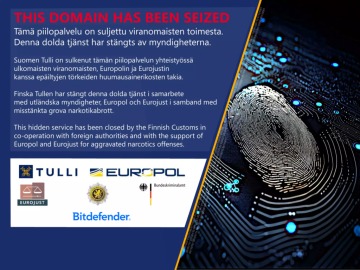
Evolution and Future
Modern dark web marketplaces have adapted by decentralizing (e.g., using peer-to-peer sales or I2P network). Encrypted messaging apps like Telegram also host invite-only trading groups. AI-enhanced scams and synthetic identity fraud are rising. Despite crackdowns, demand for anonymous commerce ensures these bazaars persist, shifting platforms and payment methods to evade oversight.