
Using the ProtonMail .onion site offers security and privacy advantages. Furthermore, data will help to detect attacks against the network and possible censorship events. The goal of an anonymous and privacy network, Tor, is not to engage in the extensive collection of data. Its goal is to offer anonymous access to the content without being censored, no matter where you live. The BBC news website has a special .onion site, which you need to access via the dark web. In some countries, such as China and North Korea, the government uses heavy online censorship and blocks many dark web websites.
Dark Web Search Engines
Nowadays, many people use the Tor browser to surf the public internet and navigate the deeper parts anonymously. You can quickly get into trouble for acting illegally, such as infringing on other people’s safety and freedom. Simply put, accessing and browsing the dark web is perfectly legal. Its key features include kernel hardening, application firewall, package security, filesystem encryption, meta-proxy encryption, and binary integrity.
Government authorities across the globe are taking over many Tor-based sites. Some services are genuine; you can get what you want at an agreed fee. Many services that are allegedly offered on the dark web are scams. Here are some of the common dark web dangers that users can face.
The dark web, a hidden layer of the internet accessible only through specialized software like Tor, is often misunderstood as a lawless void. In reality, it hosts a diverse range of forums, marketplaces, and whistleblower sites. To navigate this encrypted terrain, users rely on dark web search engines—specialized tools that index .onion sites and other non-indexed content. Unlike mainstream search giants, these engines prioritize anonymity and privacy, though they come with unique risks and limitations.
How Dark Web Search Engines Differ from Standard Ones
- There is a whole world of content hiding on the so-called "Invisible Web," the part of the internet that does not appear in search results or web directories.
- Download Avast SecureLine VPN to encrypt your internet connection and protect your privacy wherever you go online.
- While accessing the dark web using Mozilla Firefox is possible, you must first adjust its settings.
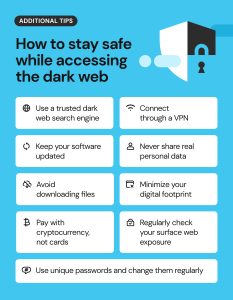
- Before you start browsing websites on the dark web, make sure to protect yourself by using a VPN or proxy.
Standard search engines like Google crawl the surface web, indexing billions of visible pages. Dark web search engines operate in a fundamentally different environment. They must navigate volatile sites that frequently change addresses, and they cannot rely on traditional SEO signals. Instead, they use crawlers that respect Tor's anonymity protocols, often producing results that are less organized and more transient.
- Ahmia: A transparent, open-source search engine that indexes .onion and I2P sites. It filters illegal content but still surfaces hidden services.
- Torch: One of the oldest dark web search engines, known for indexing a large volume of sites. Its results are often unfiltered and can include marketplace links.
- Grams: A specialized search engine for darknet markets, allowing users to compare product listings and prices across different black-market platforms.
Risks and Realities of Using Them
While these tools enable access to information, they also pose significant dangers. Many dark web search engines host links to scams, malware-laden sites, or law enforcement honeypots. Users should always use a VPN alongside Tor, and never click on unverified results. Additionally, fake search engines have been created to harvest credentials.
- Always verify URLs: Look for known mirrors of Ahmia or Torch via trusted forums.
- Avoid clicking advertised results: Sponsored links often lead to phishing pages.
- Use HTTPS when possible: Some .onion sites still offer encrypted connections.
Frequently Asked Questions (FAQs)
Q: Are dark web search engines illegal?
A: No, they are not inherently illegal. Tools like Ahmia are open-source and used by journalists and researchers. However, accessing certain content through them may violate local laws.
Q: Can Google search the dark web?
A: Google does not index .onion sites. Truncated versions of dark web content may appear via clearnet mirrors, but full access requires Tor and a dedicated dark web search engine.
Q: Are results on dark web search engines reliable?
A: Not always. Uptime is low for many .onion sites, and results can lead to dead links or fraudulent domains. Cross-referencing multiple engines helps.
Conclusion
Dark web search engines are gateways to a parallel internet, offering both opportunity and peril. Whether you are researching censorship circumvention or exploring decentralized communities, these tools require a cautious approach. Their existence underscores the ongoing tension between privacy, surveillance, and the open web.