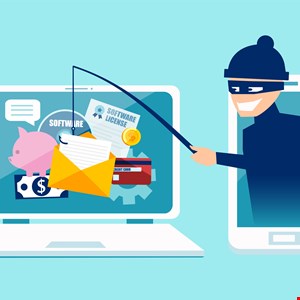

Dark Web Credit Card
Buyers—often called “carders”—carefully select cards based on criteria such as credit limits, cardholder locations, and issuing banks to maximize potential financial returns. Joker’s Stash gained notoriety due to its massive inventory of millions of stolen cards, advanced security measures, and sophisticated user interface. Skimming involves attaching hidden devices to card readers, such as ATMs or gas station pumps, to capture card data directly from the magnetic stripe as customers perform legitimate transactions. According to a 2023 report by the Federal Trade Commission (FTC), U.S. consumers reported losing more than $8.8 billion to fraud in the previous year alone, with credit card fraud accounting for a substantial portion of these losses.
The term dark web credit card refers to stolen financial data trafficked on hidden networks accessible only through specialized software like Tor. These illicit marketplaces operate beyond the reach of standard search engines, serving as hubs for buying and selling compromised card numbers, CVV codes, and full cardholder profiles. The scale of this underground economy is staggering, with millions of stolen credentials traded daily for sums as low as a few dollars, fueling global fraud that costs banks and consumers billions annually.
How the dark web credit card Trade Works
- Help stop hackers from accessing your PC’s and home network.
- Experian subsidiary Court Ventures fell victim in 2013 when a Vietnamese man tricked it into giving him access to a database containing 200 million personal records by posing as a private investigator from Singapore.
- Sellers often provide buyers with validity rates for their data and even offer replacements for cards that don’t work.
- “We report when we see security issues—missing patches, nonsupported software, or using out-of-date versions of programs,” and then recommend steps for remediation.
Vendors on these platforms typically source data from phishing attacks, skimming devices, or massive data breaches. Listings often include the cardholder's name, billing address, and security codes, sometimes bundled with complementary data like social security numbers or bank login details. Buyers can filter by card type (Visa, Mastercard), issuing country, or even available balance. Transactions are protected by cryptocurrency and escrow services, making the dark web credit card economy a resilient, self-policed black market.

Risks and Consequences
Purchasing or using a dark web credit card is illegal and carries severe penalties, including imprisonment and fines. Beyond legal repercussions, victims of stolen cards face financial loss, damaged credit scores, and hours of administrative hassle to reverse fraudulent charges. Entire families can be affected when primary accounts are drained, while merchants eat chargeback costs that ultimately raise prices for all customers.
- Information from the database might be abused for anything from large-scale phishing, industrial-scale fraud, state-sponsored intelligence gathering, and more.
- An in-depth look at how stolen card data is exploited on the dark web and beyond
- If your credit card number or other details are detected on the dark web, you will be immediately alerted, allowing you to take protective measures.
- Cybercriminals are likely to adopt AI-driven bots that rapidly test stolen card data, create sophisticated phishing attacks, and evade detection algorithms by mimicking legitimate user behavior.
- At the end of every month, we’ll report your credit standing to the 3 major credit bureaus- Experian®, Equifax®, and TransUnion®.
- The incident did not involve a direct attack on the company’s internal systems, but rather on a third-party, cloud-based Customer Relationship Management (CRM) system used by the company.
Prevention and Security Measures
To avoid having your own information end up on a dark web credit card listing, use strong, unique passwords for each financial account and enable two-factor authentication. Monitor bank statements regularly for unauthorized transactions, and consider using virtual card numbers for online purchases. If you suspect your data has been compromised, immediately freeze your credit and report the incident to your bank and local authorities. Never click on suspicious links or share card details over unsecured channels.