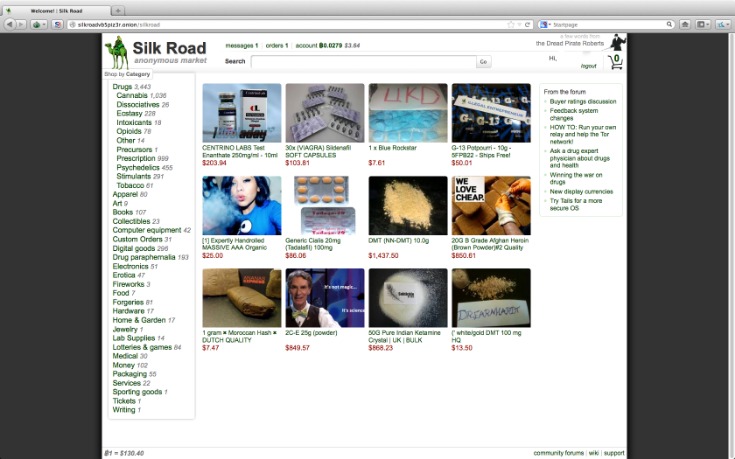

Dark Web Credit Cards
The digital underworld known as the dark web hosts a thriving black market for stolen financial data, with dark web credit cards representing one of its most traded commodities. These are not physical plastic cards but digitized bundles of sensitive information—card numbers, expiration dates, CVV codes, and sometimes full cardholder identity details—sold in hidden marketplaces accessible only via specialized browsers like Tor. The trade fuels a multibillion-dollar industry of fraud, impacting individuals, banks, and merchants globally.
Dark web credit cards are often sold on online marketplaces, which can be accessed through specialized browsers like Tor. In early October 2013, Adobe reported that hackers had stolen almost three million encrypted customer credit card records and login data for an undetermined number of user accounts. As B1ack’s Stash prepares to release its trove of stolen credit cards, law enforcement agencies and cybersecurity firms are working around the clock to trace the origins of these breaches and prevent further exploitation. The cybersecurity community is on high alert as B1ack’s Stash, a known marketplace on the dark web, has announced a massive leak of 4 million stolen credit card details.
What Are Dark Web Credit Cards?
At its core, a dark web credit card is a stolen financial record. Thieves obtain these details through data breaches, phishing scams, skimming devices on ATMs or point-of-sale terminals, or malware that records keystrokes. Once harvested, this data is packaged and listed on dark web forums or marketplaces. Prices vary wildly: a fresh card with a high credit limit and verified balance might sell for $50 to $500, while a basic, unverified card can cost as little as $5.
How the Black Market Operates
- The data includes the service code, PIN code, and card verification code, making it highly valuable for thieves.
- This often includes a "checker service," a compromised merchant account they use to run dinky charges through to see if the card is still valid, Krebs says.
- From the data we collected, it was revealed that the leaked information affected cards from various countries, including the Philippines, with a significant number of exposed payment cards.
- By staying informed, practicing caution, and making responsible choices, we can collectively promote a safer online environment and deter criminal activities on the Dark Web.
Sellers on the dark web use escrow systems and cryptocurrency (primarily Bitcoin or Monero) to facilitate transactions. Listings often include metadata like the card’s issuing bank, country of origin, and card type (e.g., Visa, Mastercard). Many vendors offer "dumps"—raw magnetic stripe data used to clone physical cards—alongside "CVV shops" that provide just the card verification value and numbers for online purchases. The market is surprisingly organized, with user reviews, refund policies, and even customer support.
Risks for Buyers and Sellers
Purchasing a dark web credit card is a criminal act, but the risks extend beyond legal consequences. Sellers frequently scam buyers by selling expired or fake data. Conversely, law enforcement agencies like the FBI and Europol routinely infiltrate these marketplaces, setting up honeypot operations to trace transactions and identify users. For the original cardholder, the immediate risk is financial theft—unauthorized charges that may take weeks to reverse, along with potential damage to their credit score.
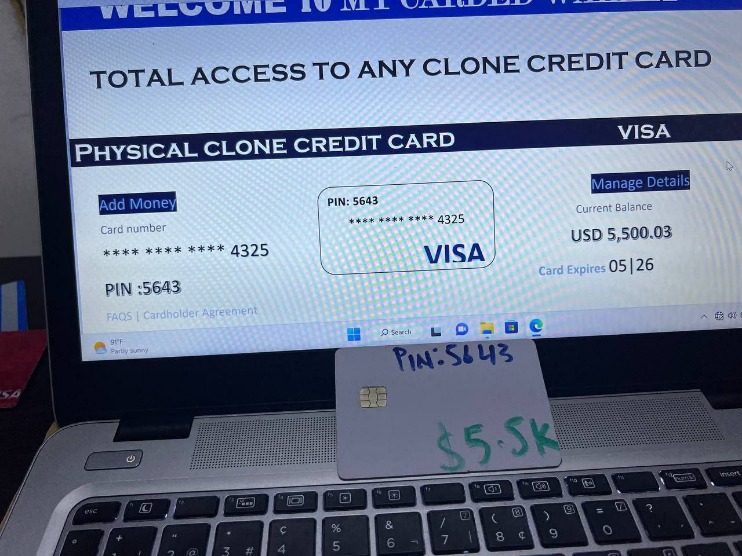
Technological Countermeasures
- As previously mentioned, credit card fraud is a massive market for criminals.
- Over time, the platform gained popularity among cybercriminals, boosted by occasional free dumps that helped raise its notoriety and draw new members.
- NordVPN’s cybersecurity expert, Adrianus Warmenhoven, explained that these stolen cards are often sold in bulk and remain valid for long stretches of time.
- These cards are typically obtained through data breaches, phishing scams, or by hacking into financial institutions.
Banks and credit issuers have responded with advanced fraud detection algorithms that flag unusual purchasing patterns, temporal anomalies (e.g., a purchase in New York followed by one in Tokyo within hours), and mismatched billing information. Chip-enabled EMV cards have reduced the viability of physical card cloning, forcing criminals to focus on card-not-present fraud. Despite these efforts, dark web credit cards remain a persistent threat because the data can be used before a cardholder even notices the breach.
The Human Cost
Beyond the financial loss, victims of card fraud often endure hours of phone calls with bank representatives, the stress of identity theft, and the inconvenience of canceled cards. Small businesses that unknowingly process transactions made with stolen cards may face chargeback fees and reputational damage. The dark web ecosystem enables this cycle by providing anonymity and scale—a single data breach can yield hundreds of thousands of sellable credit card records.
Conclusion
While the dark web credit card trade may seem like a shadowy abstraction, its effects are tangible. From the moment a card is compromised to the sale on a hidden marketplace, each step involves real people—fraudsters, intermediaries, and victims. Combating this requires a combination of vigilant personal security practices, robust bank monitoring, and international law enforcement cooperation. The dark web will likely always host such illicit markets, but awareness and technological defenses can reduce their impact.