
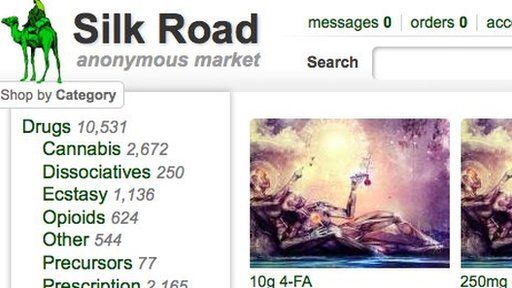
In May 2013, Silk Road was taken down for a short period of time by a sustained DDoS attack. In June 2011, Gawker published an article about the site which led to an increase in notoriety and website traffic. The name "Silk Road" comes from a historical network of trade routes started during the Han Dynasty (206 BCE – 220 CE) between Europe, India, China, and many other countries on the Afro-Eurasian landmass.
In September 2022, a 27-year-old man from Arkansas died after consuming pills purchased through the platform. Listings advertised “authentic” oxycodone, but laboratory tests later revealed fentanyl instead. In January 2022, Lin explicitly allowed opiate sales on Incognito Market, a decision that proved deadly.
Dark Web Drug Marketplace
The dark web drug marketplace represents a clandestine ecosystem where illicit substances are traded using encrypted networks like Tor. These platforms, often modeled after legitimate e-commerce sites, facilitate anonymous transactions between vendors and buyers using cryptocurrencies, primarily Bitcoin and Monero. Despite law enforcement crackdowns, such marketplaces persist through decentralized structures, shifting domains, and multisig escrow systems. The scale is vast: from synthetic opioids like fentanyl to cannabis and prescription pills, these bazaars operate with staggering resilience, adapting to takedowns by migrating to new networks or rebranding under different names.
How These Marketplaces Function
Access requires specialized software—typically the Tor browser—which hides user IP addresses. Once inside, vendors list products with detailed descriptions, prices, and shipping policies. Buyers place orders through an escrow system: funds are held by the marketplace until delivery is confirmed. Key operational features include:
- Escrow systems to reduce fraud between parties.
- Cryptocurrency payments for pseudonymous transactions.
- Vendor ratings and reviews to build trust within the ecosystem.
- Encrypted messaging for communication, often PGP-encoded.
Common Drugs Traded
The inventory mirrors street-level narcotics but with higher purity and global shipping options. A snapshot of frequently listed items includes:
- All transactions were conducted with bitcoin, a cryptocurrency which aided in protecting user identities.
- As law enforcement agencies continue to adapt to the challenges posed by dark web drug markets, the future of drug trafficking in this arena remains uncertain.
- A Taiwanese national who built a crypto-fueled dark web narcotics empire worth over $105 million while moonlighting as a cybercrime trainer for Caribbean police has been sentenced to three decades in federal prison.
- Rui-Siang Lin’s 30-year prison sentence marks a significant milestone in the ongoing battle against dark web drug trafficking.
- What has changed, though, is the speed and sophistication of law enforcement response.
- Stimulants: cocaine, methamphetamine, MDMA.
- Opioids: fentanyl, heroin, oxycodone.
- Cannabis products: flower, edibles, concentrates.
- Psychedelics: LSD, psilocybin mushrooms, DMT.
- Pharmaceuticals: Xanax, Adderall, steroids.
Risks and Consequences
Engagement carries profound dangers. For buyers, packages can be intercepted by customs, leading to criminal charges. For sellers, law enforcement agencies deploy advanced tracking, infiltrate forums, and use blockchain analysis. Beyond legal risks, product contamination or mislabeling—such as fentanyl-laced pills—poses lethal health threats. Additionally, many marketplaces are exit scams or honeypots operated by authorities.
FAQs
Q: Is it illegal to browse a dark web drug marketplace?
A: Simply browsing may not be illegal in some jurisdictions, but accessing these sites to purchase drugs is almost universally a criminal offense. Law enforcement often monitors traffic to such domains.
Q: Can cryptocurrency make transactions truly anonymous?
A: No. Bitcoin is not anonymous—its blockchain is public. Monero offers stronger privacy, but forensic tools can still trace patterns. Most marketplaces now mandate Monero for this reason.
Q: How do authorities shut down these marketplaces?
A: Through coordinated international operations: seizing servers, arresting administrators, and exploiting software vulnerabilities. Examples include Silk Road (2013), AlphaBay (2017), and Hydra (2022).
Evolution and Current Trends
- Identities and locations of darknet users stay anonymous and cannot be tracked due to the layered encryption system.
- In one site message, Lin wrote that the demand was an extortion.
- On June 25, 2015, the indie game Sad Satan was reviewed by YouTubers Obscure Horror Corner which they claimed to have found via the dark web.
- Prosecutors were particularly focused on Lin’s final actions following the platform’s closure in March 2024.
The dark web drug marketplace has evolved from centralized hubs to federated and peer-to-peer models. Telegram channels and encrypted apps now supplement traditional onion sites. Decentralized platforms using blockchain-based identity systems are emerging to resist single-point-of-failure takedowns. Meanwhile, reputation systems and dispute resolution mechanisms have grown sophisticated, mimicking legitimate e-commerce. Despite these adaptations, the cat-and-mouse game with authorities continues, with each shutdown spurring new, hardened iterations.